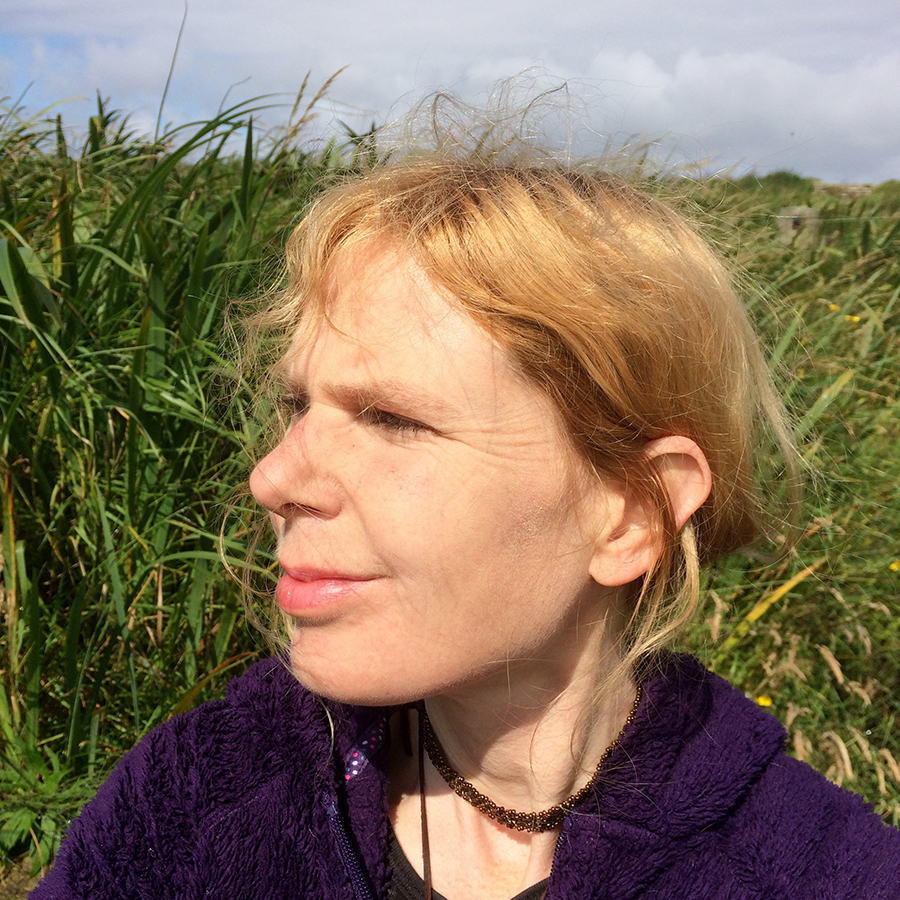
Halifax poet, Gaia Holmes was the poet in charge of our ‘Pulse of Bradford project’, encouraging young people aged 16+ to write about their experiences, hopes and thoughts about Bradford. The poems were later made into VR films thanks to The Space Arts and filmmakers Neon8 and will be touring our libraries as part of National Storytelling Week next month (Feb 2-8). The theme of National Storytelling Week is ‘Soundtrack Your Story’. Here, Gaia, who will be running a poetry workshop on Saturday Feb 7 and later hosting our Open Mic featuring The Pulse of Bradford, shares her thoughts on the connections between sound and writing.
I remember listening to David Gray’s song ‘Babylon’, again and again and again, for a week after I split up with a long-term partner. I stayed in the double bed in the attic with the skylight window and a plague of moths and bald patches in the Turkish rug. My friend brought me mugs of tea and toast loaded with salted tomatoes cut into the shapes of stars. I didn’t want to eat but I forced myself to do so (but left the toast crusts), and after a few days there were fruit flies as well as moths. I remember watching tragic French films on a tiny black and white tv that had a fork for an arial.
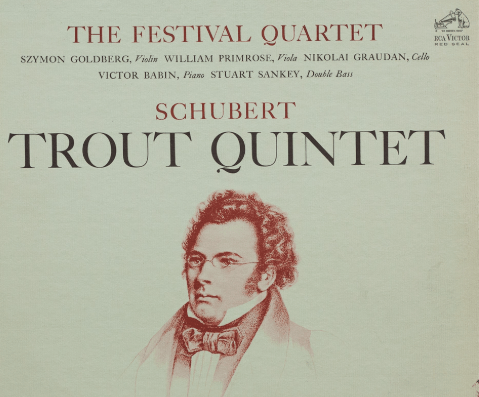
Run rabbit run. Gaudette. My Boomerang Won’t Come Back. I Want To Hold Your Hand: these were me and my brother’s records- our little 45s. These were our only records. My father had more and they were bigger and stranger. There was Finnegans Wake and Oldfield’s Tubular Bells, Schubert’s Trout Quintet, Allegri’s Miserere and Dylan Thomas. There was African Sanctus and Einstein On The Beach. On Sundays, after a can of barley wine or two, my father opened the window of his bedroom and played The Doors at full volume. It was very loud, but no one ever complained because he was the village’s only handy man and there was always an old lady that needed a drain unblocking or a lightbulb replacing.
Nirvana’s ‘Smells like teen spirit’. reminds me of me and my friends as teenagers in the early 1990s dancing at The Zoo Bar in Halifax with its bad lighting and its sticky lino. We hopped and thudded on the dance floor trying to break our Docs in. We drank too much 20/20 and our vomit was often blue. I usually stunk of oranges because I doused my wrists with Neroli oil. Once, a young blonde pixie of a man sung “I’m in love with a girl who smells of oranges” into my ear.
As I sit writing this up in my top floor flat on a grey winter afternoon, the wood pigeons in the garden are crooning and booming out their bassy five note tune. This sound has been an almost constant soundtrack to my life since I moved here 10 years ago. And I know that, if I ever move away, the sound of woodpigeons will bring back strong memories of this place- not just the noises it hosts but its scents and atmospheres and some of the particular emotions I have experienced whilst living here.
The sound of rain on a skylight windows always reminds me of holidays on the East Coast in an ancient caravan. And with the sound comes it’s smell of damp crocheted blankets, Calor gas, tangy ocean air and seaweed.
After my father died, I found it very difficult to listen to classical music for several years because the sense of grief that the tunes rekindled was almost unbearable.
Music (and particular sounds) can do that. Music can be a time machine that takes you back to an era and a place you had forgotten. Music can be a spark plug that fires up dormant memories and makes stories.
‘Music evoked autobiographical memories’ is the way this sensation is described in psychology and what an excellent tool it is for writers!
During my ‘Soundtrack Your Story’ workshop on the 7th of February, from 2pm at City Library, we’ll employ this ‘tool’, use sounds and music as a doorway into our real or imagined stories and think about the individual ‘soundtracks’ that run through our lives.
And on that same evening, if you’re free, you can come along and see (and hear) the outcome of ‘The Pulse Of Bradford’, project. During workshops for the project, me and the participants explored the concepts of sound and silence. We imagined spending time in the world’s quietest room. We read poems about deafness and wind phones and anthems. We considered what the constant ‘pulse’ of the city sounded like to us, as individuals. We asked ourselves, ‘What is the soundtrack to my life’? You can hear some of the answers to those questions at our celebration event called ‘Speak or Sing Your Story’, which I will be hosting. The event will feature some of the ‘Pulse of Bradford’ writers and musicians and will take place on Saturday 7th February, 6pm at City Library (Bradford). There will also be an open mic. For more information, please follow the link below: